
Leave Your Message
High-performance production equipment engineered for high-volume commercial building applications.


The global commercial building sector is undergoing a massive transformation. Rapid urbanization, combined with the demand for sustainable, resilient, and energy-efficient structures, has placed unprecedented pressure on supply chains and building materials. At the heart of this transformation is the brick, a fundamental building block whose production has evolved from labor-intensive manual methods to highly automated, precision-engineered industrial processes.
Today, utilizing a specialized bricks made machine for commercial building construction is no longer just an option; it is an absolute necessity for developers, contractors, and building material manufacturers. Commercial projects—ranging from high-rise office towers, retail complexes, and industrial warehouses to massive institutional campuses—require materials that meet stringent standards for load-bearing capacity, acoustic insulation, thermal performance, and fire resistance.
Modern concrete block machines utilize advanced hydraulic compression and high-frequency vibration technologies. This ensures that every single brick produced possesses uniform density, precise dimensions, and optimal structural integrity. By eliminating human error and variable curing conditions, commercial-grade brick machines guarantee that the building blocks of modern infrastructure comply with strict international building codes (such as ASTM or Eurocodes).
Hydraulic compression combined with intense vibration yields extreme brick density.
Integrate industrial waste like fly ash, slag, and quarry dust into raw material mixes.
Precision-machined molds ensure zero variance, accelerating on-site masonry work.
Automated cycle times optimized to produce thousands of blocks per 8-hour shift.
How distinct brick designs cater to specific requirements of commercial structural designs.
In multi-story commercial properties, structural integrity is paramount. Concrete blocks produced by heavy-duty hydraulic machinery offer compressive strengths often exceeding 15-20 MPa. These blocks are utilized in the construction of elevator shafts, foundational load-bearing walls, and structural columns. The precision of modern molds ensures that interlocking joints align perfectly, reducing mortar consumption and enhancing overall structural stability.
Commercial office spaces, hotels, and shopping malls require specialized internal partition walls to minimize noise transmission and maintain internal climates. Multi-cavity hollow blocks, easily fabricated using interchangeable molds on our brick-making machines, provide natural dead-air spaces. These spaces act as highly effective barriers against thermal transfer and acoustic waves, directly lowering HVAC costs and improving occupant comfort.
Commercial building envelopes are not limited to vertical structures. Pedestrian plazas, heavy-duty vehicle parking lots, and access roads require high-strength interlocking pavers. By swapping molds, a single brick making machine can produce high-density, wear-resistant paving blocks capable of handling constant vehicular traffic and extreme weather conditions without shifting or cracking.
The global industrial landscape is shifting rapidly toward automation and carbon reduction. Several key trends are defining the future of brick-making machinery for commercial projects:
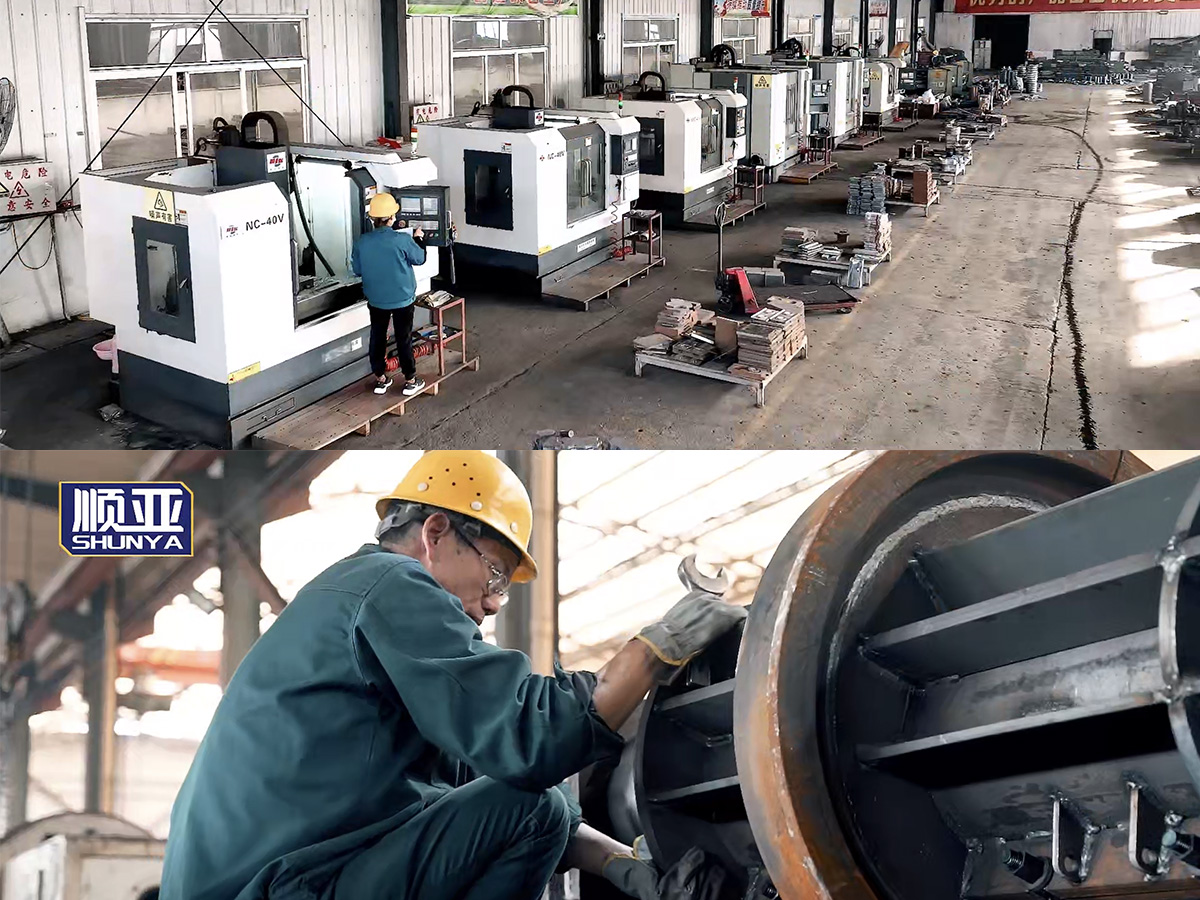
Shandong Shunya Machinery Co., Ltd has been specializing in the design, manufacture, sales, and service of high-quality block making machines, concrete mixers, and specialized molds for concrete poles, concrete molds for pipe piles. Equipped with advanced production machinery, excellent professional technology, and over 18 years of practical industry experience, our dedicated R&D department consistently positions us at the forefront of the block making machine market.
By closely monitoring and integrating advanced technologies from both domestic and international markets, Shunya develops a diverse portfolio of machinery tailored to suit the varying investment capacities and operational needs of our global clientele. Operating under a philosophy centered on high quality, high efficiency, and maximum customer profitability, we strive to build long-term, mutually beneficial partnerships with construction firms and building material manufacturers worldwide.
At Shandong Shunya Machinery, we place new technology and continuous product R&D at the core of our business strategy. Having secured 50 patents, the integration of these proprietary technologies ensures the mechanical stability, operational rationality, and long-term reliability of our machines. This engineering excellence has earned us widespread praise from global contractors and commercial project developers.
To provide local support and seamless maintenance services, we have established sub-companies and service hubs in Tanzania, Nigeria, Algeria, Cameroon, Kenya, Ethiopia, DR Congo, and Cote d'Ivoire, along with 19 domestic agencies in China. Our machinery has been exported to more than 100 countries and regions worldwide.
Our equipment's reliability is further highlighted by its selection for official government projects. Shunya machinery was purchased by the Ministry of Commerce of China and donated to the Government of the Democratic Republic of the Congo as an official aid machine (Lot Number: [2004]322). Additionally, our machines were procured by the Chinese government for the critical reconstruction of earthquake-stricken areas in Tianshui City, Gansu Province. Our commercial-grade brick machines are also trusted by major global infrastructure corporations, including China Railway 20 Bureau Group Company (Angolan Projects Department), China Petroleum Seventh Construction Company (Nigerian Project Department), Guangxi Hydroelectric Bureau (Angolan Project Department), and China CTDI.
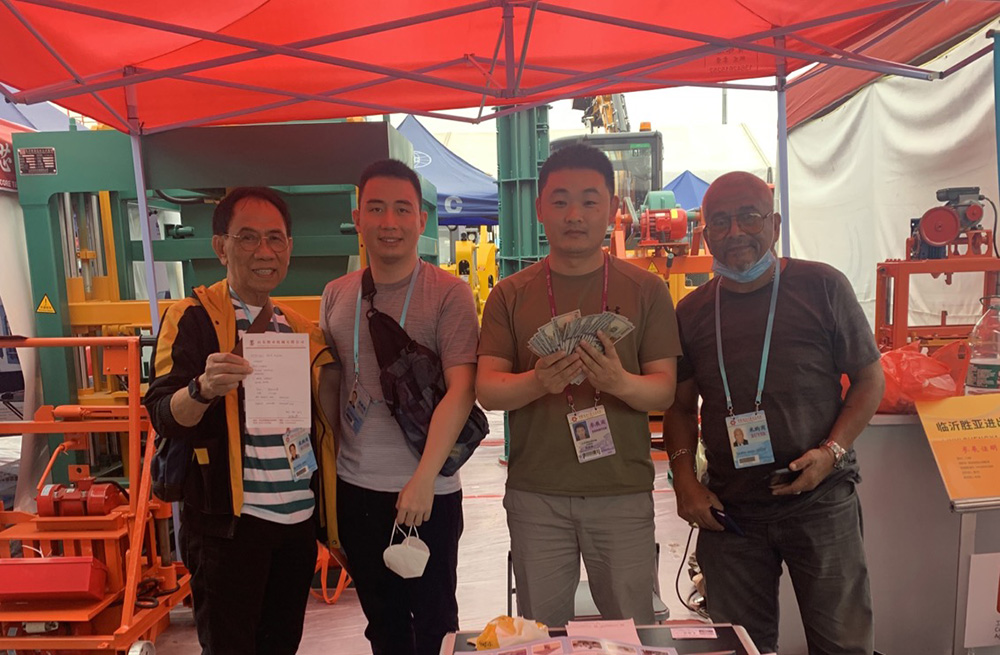
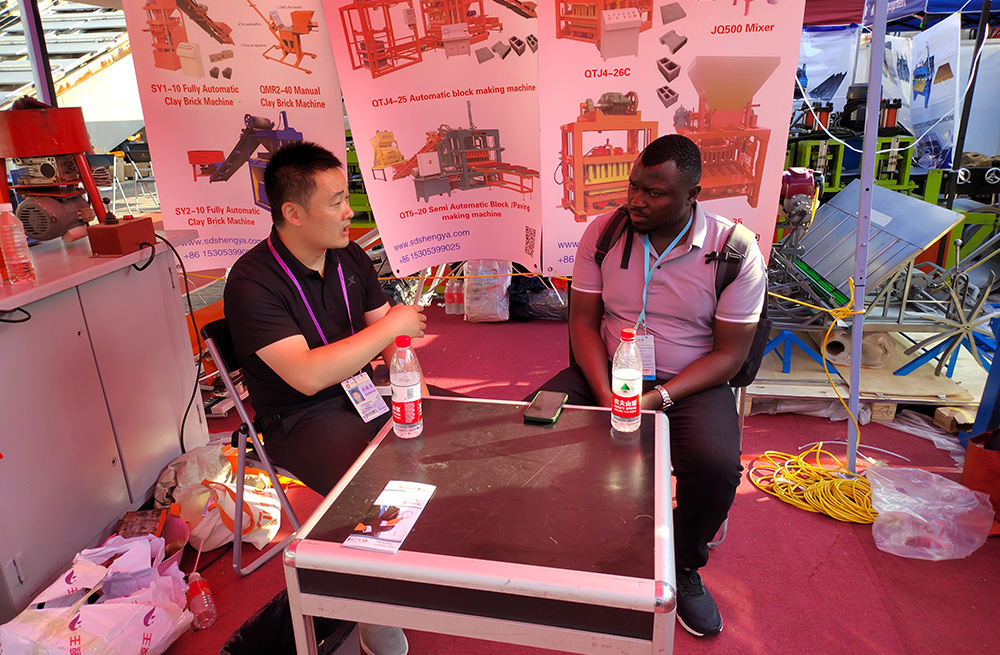
Building robust international relationships through quality, transparency, and technical excellence.


Our commitment to excellence has enabled us to foster long-term partnerships with prominent global engineering entities. Key organizations such as the Engineering Corporation Libyan Project Department, Sinohydro Bureau 13 Company (Zambia Project Department), and the Australian Pineneedle Group (East Timor Projects) have integrated Shunya block making machines into their primary production lines, establishing reliable, long-term operational relationships with us.
We maintain a steadfast focus on people-oriented development, putting product quality first as we expand further into the international market. The growth and achievements of Shandong Shunya Machinery Co., Ltd. stand as a testament to the hard work, determination, and pursuit of first-class manufacturing standard by our global team.
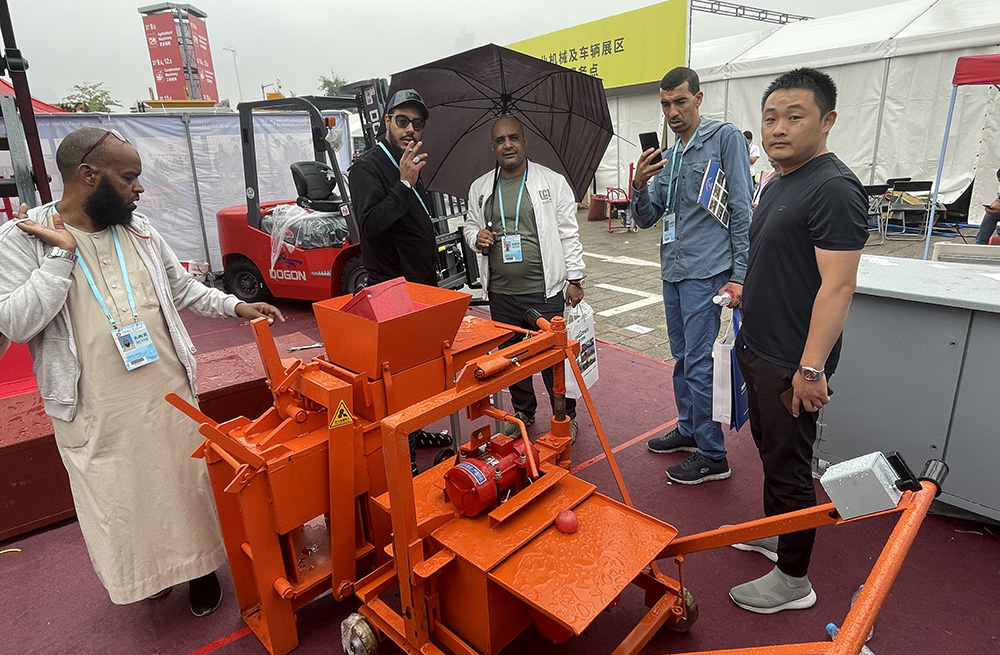
Explore our full line of concrete block making machinery, manual to semi-automatic, designed for high durability and performance.


Essential insights for commercial builders and brick manufacturers.
Commercial concrete block making machines are highly versatile. They can process a wide range of materials, including cement, sand, gravel, crushed stone, quarry dust, fly ash, slag, and construction waste. This enables manufacturers to adapt to local material availability and optimize production costs while meeting green building standards.
Hydraulic pressure, combined with high-frequency vibration, ensures the raw material mix is densely compacted. This eliminates internal voids and air bubbles, resulting in high compressive strength, low water absorption rates, and superior resistance to environmental wear. These characteristics are critical for load-bearing walls in commercial structures.
Fully automatic machines utilize advanced PLC control systems to manage the entire cycle—from batching and mixing to molding and stacking—minimizing manual labor and ensuring high output consistency. Semi-automatic machines, such as the QTJ4-35 and QTJ4-40, require manual intervention for material feeding or pallet handling, offering a cost-effective solution for small to medium-scale commercial projects.
Yes. By replacing the mold assembly, a single brick making machine can produce hollow blocks, solid bricks, interlocking pavers, curbstones, and custom structural blocks. This versatility allows manufacturers to meet diverse project requirements with a single machinery investment.